
A WORLDWIDERUNNING NETWORK SITE
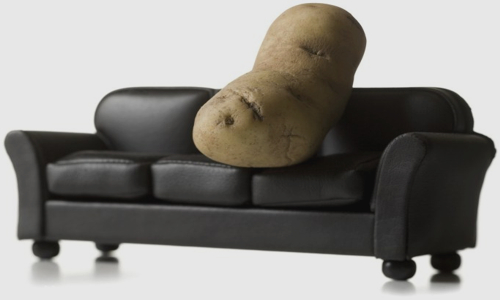 | | Nutrition for injured athletes - Being injured is one of the hardest parts of being an athlete. If you are unable to exercise due to broken bones, knee surgery, stress fracture, or concussion, you may wonder: What can I eat to heal quickly? How can I avoid getting fat while I'm unable to exercise? Should I be taking supplements? This article will address those concerns, plus more. |
 | | Seeds and grains for your sport diet - Today's athletes routinely enjoy nuts and berries and are now looking for ways to notch up their diets with more seeds and whole grains. While these are health-enhancing choices to include in your sports diet, their nutritional value can sometimes get exaggerated. This article offers a perspective on some "trendy" foods that are getting mainstreamed. |
 | | Calculate your sport diet - If you are like many active people, you feel totally confused about what to eat. You listen to a plethora of nutrition experts, read food labels, and then try to piece the information together to build a better sports diet. Yet, you end up with lots of questions, like what percent of calories should come from carbs, protein and fat. |
 | | Proteins and runners - Protein is a popular topic among both casual exercisers and competitive athletes, many of whom are confused about how much protein they need, when they should eat it, and the best kinds of protein to choose. This article answers some of the questions active people commonly ask about protein in a sports diet. |
 | | Electrolytes and runners - Some of the more familiar electrolytes include sodium, potassium, calcium and magnesium. If you are a fitness exerciser, you are unlikely to need extra electrolytes to replace those lost in sweat. If you exercise hard for more than four hours in the heat, you may benefit from replacing sodium losses. |
 | | Alcohol and runners - Alcohol and athletics is a dangerous duo, associated with negative consequences including hangovers, nausea and vomiting, memory loss, and trouble with the law - to say nothing of injuries. If you are among the athletes who chooses to drink large amounts of alcohol, read this article. |
 | | Salt and runners - Some runners sweat so much they end up crusted with salt. Other runners see no need to add salt to their food because the typical diet already contains way too much. And then there are marathoners and triathletes who wonder if they should start eating salty foods as a part of their daily sports diet. This article can help you figure out if you should shake it or leave it. |
 | | Peanut butter and runners - In this day and age of energy bars, many athletes forget about peanut butter, one of the best sports foods around. It is tasty, inexpensive, satisfying, nourishing, and even good for our health. This article explains why peanut butter can be considered a super sports food for athletes who want to eat well and invest in their health. |
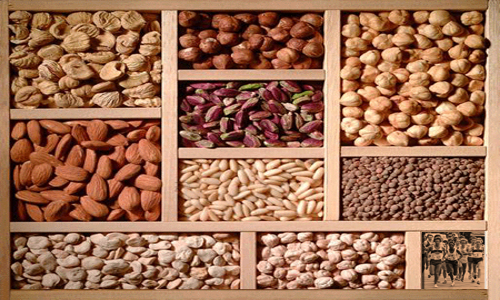 | | Nuts and runners - Runners commonly have a love-hate relationship with nuts. They love them, but try to stay away from them. Although runners know nuts are healthful and good for them, the over-ruling perception is nuts are "sooooo fattening." |
 | | Energy bars and runners - A plethora of energy bars awaits you at every convenience store, each bar boasting about its ability to enhance performance. You can find a bar for every diet style and for every exercise need - but you can spend a small fortune on these prewrapped bundles of energy. |
 | | Food gifts for runners - Whether it is a gift for yourself or your exercise buddy, a gift of good tasting but healthful food is always welcome. Yes, everyone loves fudge brownies (for the moment) but why not give gifts that invest in health, performance, and a happier waistline? Here are some good food gift ideas for runners. |
 | | Tips for runners with intestinal problems - Have you ever experienced nausea or unpleasant stomach symptoms that impaired your training or performance? Though this may not be a popular topic of conversation, this article focuses on the causes of gastrointestinal upset in runners, potential triggers and strategies that may reduce the occurrence of symptoms. |
 | | Undesired sideliners: Side stitches and diarrhea - An estimated 30% to 50% of distance runners experience exercise-related intestinal problems, with women experiencing more problems than do men. If you are among the many active people who fear side stitches, loose stools, and gastrointestinal distress, keep reading. The goal of this article is to offer some information and advice that can help you manage, if not reduce, your transit troubles. |
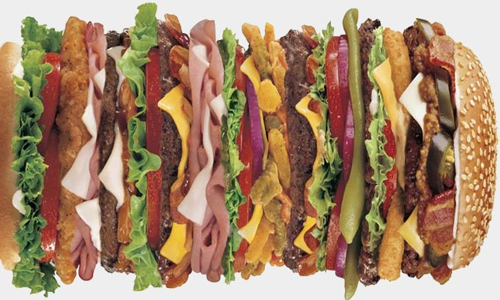 | | How to control your food intake - "I don't keep cookies in the house; I end up eating them all." "I'm afraid if I start eating, I won't be able to stop..." If any of those thoughts sound familiar, you are among a large group of athletes who struggle with food. They think about food all day, stay away from social events involving food, give themselves permission to eat only if they have exercised hard, and white-knuckle themselves to one meager portion at dinner. |
 | | Gluten-free running - Gluten is a protein in wheat, rye and barley that must be avoided by people with celiac disease, an inherited autoimmune disorder. Some athletes don't even realize they have celiac disease. They feel fine - until they experience iron-deficiency anemia or stress fractures due to poor absorbtion of iron, calcium, and vitamin D. |
1
| 2
| 3
| 4